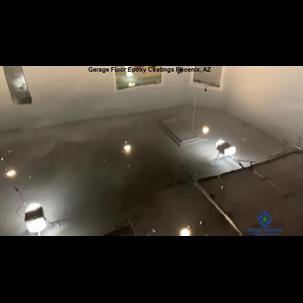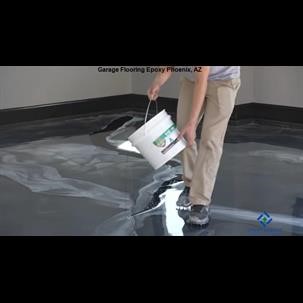
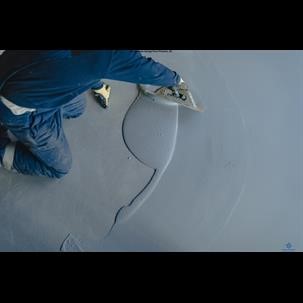
Epoxy Coating Garage Floor Phoenix AZ

Top Rated Epoxy Resin Garage Floor Installers in Arizona!

Before you apply the epoxy coating to your garage floor, you should take a few precautions. To ensure that the coating is compatible with your floor you must apply the plastic and conduct a test for moisture. If you're not sure whether your floor is suitable for this kind of coating, you can try pouring water on it to see whether it's the right decision. The next step once you've decided to apply epoxy coating is to locate the right contractor. You should choose a contractor who has a wealth of experience in the installation of epoxy flooring as well as an organization that is committed to delivering top-quality work.

The preparation of the garage floor using epoxy is the first step. Make sure you open your garage door to ensure adequate air circulation. Paintbrushes are a great tool to apply the epoxy around the edges of the floor and using a roller, apply the epoxy to the center of the floor. After the epoxy is applied, wait about a month before using your vehicle. It's important to leave it in place for at least three days before you start using it.

Once you've chosen the color of your epoxy, it's time to apply it. Mix the base coat first. After that, you are able to add the flakes. You can choose the amount of flakes you'd like. Once the floor is dry completely, you can sprinkle the flakes on it. However, it's crucial to evenly distribute them. Avoid clumps of flakes as they can stick to the floor and make walking difficult.

Epoxy Resin Garage Floor

Epoxy Resin Garage Floor Phoenix Arizona

Choosing a garage floor coating that is suitable for your home is crucial. This kind of flooring is highly resistant to scratches, and if installed correctly, it may become prone to stains and paint overspray. To allow the coating to completely dry, it is important to apply it as quickly as possible. Also, you should examine the floor for signs of damage like water stains or oil.

There are a variety of steps that are required to apply an epoxy coating. It can take several days to dry. The first coat needs to be completely dry before applying the second. You can also use a penetrating concrete sealer to save time and money. Penetrating sealers will not result in an epoxy garage floor. The darker shades of epoxy tend to be more difficult to apply and can create an ammonia odor when applied.

An epoxy resin coating can transform your garage floor. You can pick a color that complements the rest of your home's interior. High-end coatings will look beautiful and last for a long time. It is easy to clean and will not stain. The coating will also give your garage a new appearance.
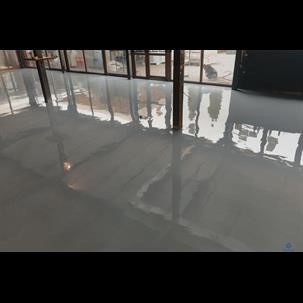
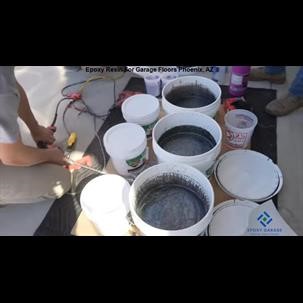
Garage Floor Epoxy Resin

Garage Floor Epoxy Resin Phoenix Arizona

Garage Floor Epoxy Resin is a long-lasting and water-resistant coating for concrete floors. It is easy to apply and lasts for a long time. It's also easy to maintain. To make sure that the coating is strong check it out after a week to 12 days. This will help prevent unattractive dents or marks within the resin layer. It is recommended to seal your garage floor with just one coat of epoxy resin to ensure it will stay strong for a long period of time.

There are numerous benefits of coating your garage floor with epoxy. The most obvious is that it comes in an array of styles and colors. It has a long life time, so you don't need to worry if the resin dries up during your project. It also adheres to concrete and is temperature-sensitive, so you'll have no trouble ensuring that it adheres to the floor surface. Epoxy resin can also be used to cover the entire garage's surface.

The right garage floor epoxy can make a significant difference in the final appearance of your floor. A coating that has a thick layer will prevent any chemicals from getting into the floor. Furthermore, this coating is extremely durable, which means you can safely drive your vehicle on it. The best part is that it doesn't wear away as quickly as other flooring types, such as carpeting. You can then add glass beads or decorative chips to your garage epoxy.

Epoxy Resin For Garage Floors

Epoxy Resin For Garage Floors Phoenix Arizona

You should choose epoxy for garage flooring that is tough. The coating is thick and can withstand chemicals, heat, and shock. This coating is ideal for garages where vehicles are often parked and stored. It also stops elements that are corrosive from getting through the floor and making it a cost-effective and practical option for your garage. The best part is that this kind of flooring is not just visually appealing, but will also last for a long time.

Epoxy resin also has the benefit of being cheap. It is much more affordable than other floor coatings. It is also simple to apply to concrete, and is temperature-sensitive. It has a long pot life and won't get dry during the course of your project. Due to its durability, it's perfect for garage flooring. It is easy to clean and stain-resistant, giving your garage a high-end look.

A garage floor coating made of epoxy is a great choice for floors that look professional. It's simple to apply and has a long life time, so you don't need to worry whether it will dry up in the course of your project. And it's temperature-sensitive, so you can apply a second coat immediately if needed. A well-designed garage floor will surely look fantastic. It's also affordable.

Garage Floor Epoxy Coatings

Garage Floor Epoxy Coatings Phoenix Arizona

Before applying epoxy coatings to your garage floor, you need to inspect your existing concrete. The floor coating will not adhere to concrete that was previously painted, sealed or subjected to "cure and seal" treatment. You will need to remove any existing coatings with an awe-inspiring towel. Epoxy coatings can also be used to cover cracks in concrete.

One of the most sought-after garage flooring options is a full color flake coating. A full color flake coating is a perfect match for the base epoxy coat and permits custom blends of flake colors. The garage floor coating is durable and looks stunning. To keep the color flakes it requires a clear topcoat (also called wear coating). This is the most durable coating for garage floors.

Another alternative is to apply color acrylic paint chips instead of flake coatings. These chips can be affixed to the color coat while it is still wet and provide a uniform coverage. A full color flake coating is a good option if you wish to create a seamless appearance. This will make your garage look amazing. You can also paint the garage floors with a variety of colors. There are plenty of choices to pick from.

Garage Flooring Epoxy

Garage Flooring Epoxy Phoenix Arizona

When it is about garage flooring, epoxy is a great choice. The high-density polyurethane formulation (HDPE) is extremely durable. It is not able to take in water or oil, and can withstand chemical and accidental drops. It will last for many years. A typical two-car garage is 400 square feet, and epoxy coatings are extremely long-lasting. Here are a few good advantages to installing this kind of flooring:

Cleaning is easy. The most important factor in epoxy flooring is its ability to withstand scratches. The best cleaning solution for this type of flooring is water and soap. Avoid using cleaning products with acidic ingredients since they can cause a dulling effect to the coating. It will reflect light, which makes it easier to see in dark areas. And the flooring won't be damaged by snow, rain, or mud. Even better is that you can wash it yourself even if you're not in a mood to spend all day cleaning it.

Commercial applications. Garage flooring epoxy is ideal for industries that require stain resistance and easy cleaning. It can be used in auto shops, labs and vet clinics. It's a great option for small-sized businesses looking for a new flooring. It's also a great option for industrial-sized businesses as well. Epoxy can be used to attract new customers to your business by incorporating it into an existing floor. You can also put epoxy in your garage for easy maintenance, as it's stain-resistant and resistant to most chemicals.

Phoenix's rapid growth was not uneven, as it was with many other emerging American cities. It was mainly concentrated on the city's northern side, which was almost entirely Caucasian. One local activist testified before the US Commission on Civil Rights in 1962 that out of 31,000 new homes in this area, not one had been sold to an African American. The south side of Phoenix was home to the majority of Phoenix's Mexican-American and African-American communities. The color lines were so strict that no one north from Van Buren Street would rent out to Willie Mays (an African-American baseball player who was in town for spring training in 1960s), because they were too rigid. A reporter from The New Republic wrote about segregation in 1964: "Apartheid has been completed." They look across a golf course at each other.

Despite the continued population growth, more businesses moved to the valley to benefit from the labor pool. Manufacturing, especially in the electronics sector, also continued to grow. During the 1960s, the convention and tourism industries experienced rapid growth. By the end of the decade, tourism was the third-largest industry. The Phoenix Corporate Center was opened in 1960. It was 341 feet tall. As Phoenix grew rapidly in the 1960s, many other buildings were built, including the Rosenzweig Center (1964), now Phoenix City Square, and the Phoenix Financial Center (1964). The Arizona Veterans Memorial Coliseum was established at the Arizona State Fairgrounds west of downtown in 1965. The Phoenix Suns were awarded a NBA franchise in 1968. They played their home games at Coliseum until 1992. After that, they moved to America West Arena. President Lyndon B. Johnson approved in 1968 the Central Arizona Project. This project would ensure future water supplies for Phoenix, Tucson and the agricultural corridor between them. Pope Paul VI created the Diocese Of Phoenix on December 2, 1968. He split the Archdiocese in Tucson and appointed Edward A. McCarthy the first Bishop.

The 1970s saw a revival in downtown Phoenix, with a high level of construction activity that was not seen again until 2000s urban real estate boom. Phoenix adopted the Phoenix Concept 2000 plan at the end of the decade. This split Phoenix into urban villages with their own cores that allowed for greater height and density. It further shaped the free-market development culture. Over the years, the original nine villages have grown to fifteen (see Cityscape below). This officially made Phoenix a city of many nodes. Freeways would eventually connect it. The Phoenix Symphony Hall was opened in 1972. Other notable structures that were built downtown in this decade included the First National Bank Plaza and the Valley Center (the tallest building of Arizona).

Sandra Day O'Connor, a Phoenix resident, broke the gender barrier at the U.S. Supreme Court when she was sworn into office as the first woman justice. The nation's largest nuclear power station, Palo Verde Nuclear Generating Station began electrical production in 1985. Mother Teresa and Pope John Paul II visited the Valley in 1987.

85045

85070

85048

85076

85044

85042

85041

85066

85040

85034

85097

85065

85043

85005

85098

85096

85073

85009

85007

85074

85025

85030

85001

85002

85072

85026

85055

85077

85099

85003

85004

85010

85038

85062

85082

85008

85006

85035

85037

85039

85075

85033

85031

85063

85079

85067

85011

85064

85060

85018

85014

85012

85015

85017

85019

85061

85013

85016

85051

85021

85069

85020

85028

85071

85029

85046

85078

85032

85022

85053

85036

85080

85023

85068

85054

85027

85050

85083

85024

85085

85086

Contact Us

Contact Us Today!

Top Rated Epoxy Resin Garage Floor Installers in Arizona!