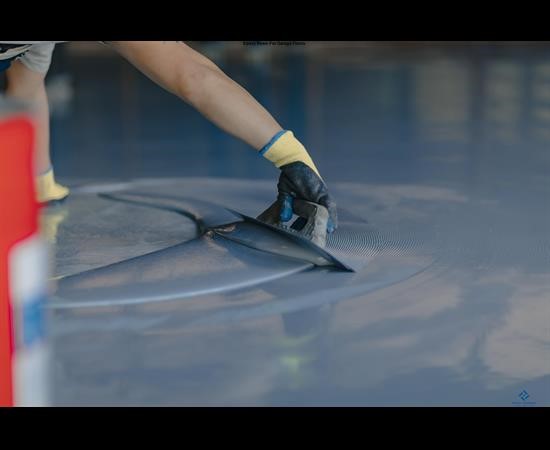
If you're considering painting your garage floor, there are a few things you should know. Depending on the amount of coverage you want, the cost can range from $500 to more than $1,500. The process will take longer if you have more color flake. Primers will also be more costly. A typical garage for two cars is approximately 400 square feet. However, priming can increase that area. Professional epoxy coating companies can finish your garage floor in just two to three days. This makes it ideal for busy people. Once the surface is dry, you can park your car and use it for 72 hours.
Another great benefit of epoxy flooring is that it doesn't have any special requirements. For example, if you don't have a big collection of cars, it might not be feasible to pour the coating on every car. But if you don't mind spending the extra money, you can choose a less expensive type of floor coating. This type of finish costs just under $60-$70 per gallon, and you can use it on tables and counter tops. Once the epoxy has dried, you can apply decorative chips to the surface.
Before applying epoxy, make sure to read the instructions on your label. Before you apply the epoxy, it will need to dry completely. In fact, you should allow at least two hours for it to dry completely. After that, you can apply the second coat and wait for 12 hours before walking on the new floor. This type of garage flooring looks professional and is the best. You have a wide range of options to brighten up your garage. You can also choose a reflective surface for a more polished look.
There are several different ways to apply epoxy to a concrete floor, but the most common way involves grinding the surface. In most cases, an acid etch will work. To prepare the floor for the coating, run a shop vac through it and remove any dust. Although epoxy should not be allowed to dry for more than 12 hrs, it is recommended that the floor dry for 24 hours before applying the paint.
The application of an epoxy floor requires several hours and a day. An epoxy floor is easy to apply for business owners. If you plan on driving on the epoxy floor, allow it to cure for five days. It is best to avoid moving stuff and parking vehicles in the garage during the entire five-day curing process. This allows the coating to bond with the concrete, making it more resistant to contaminants.
While an epoxy coating will protect the garage floor, it can also be problematic for drivers. It may crack from hot tires. Luckily, rubber mats can be used to protect the floor from hot tires. Polyurea will chemically attach to concrete, sending roots deep within. The substance literally pulls up concrete during a test for adhesion. You may be able cover the concrete with a mat. However, you can also ruin the epoxy floor if the epoxy is stained.
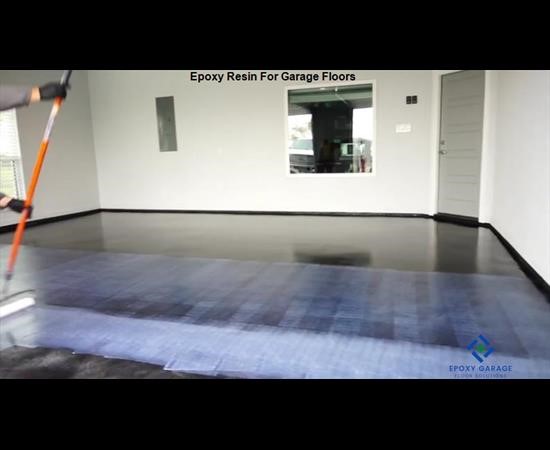
The first step in applying epoxy coating is to prepare the concrete surface. If you are using a newly laid floor, you will need to grind it down. The next step is to fill in the crack. For larger cracks, an epoxy patch kit is necessary. To prevent smears, smoothen the surface after epoxy has been applied. This is a time-consuming process, but the results are well worth it.
Before applying an epoxy coating to a surface, prepare it. This involves cleaning the surface thoroughly. Clean the floor of any oil, grease, or dirt. Also, degrease and vacuum the surface to remove dust. Once the floor is clean, it is time to apply the epoxy. Once the epoxy has dried, you are ready to apply it. If you have an epoxy flake coating, you should follow these steps.
Apply the epoxy coating. Depending on the type of coating you want, you might want to apply an epoxy flake coating. This will make the surface easier to clean. However, if you don't have time to use a flake coat, you can opt for a concrete finish that's already sealed. But it will still need some prep work. If you don't know how to prepare the surface, it is best to hire a professional.
You may be wondering how much it costs to epoxy a two-car garage. There are many factors to consider when deciding on how much to spend. The type of flooring and the size of your area will determine the cost per square foot. A 500-square-foot garage would cost between $1,500 and $2,200. Some companies charge a minimum fee of $500 to $1,000 for their services.
For a two-car garage floor, professional installers can charge anywhere from $1320 to $3,080. This is based on a per-square-foot price and includes two coats of material, acid-washing the concrete, and decorative flakes. Before installing epoxy, make sure there are no stains or blemishes on the floor. The price of the epoxy-based concrete coating for a two-car garage floor depends on the type of coating that you choose, but it can be as low as $3. It is best to hire a professional.
The average cost to epoxy a garage floor for two cars is $54 per square feet. However, this does not include the cost of removing any old coatings, cleaning up any stains and powerwashing the floor before applying epoxy. If you're planning to use a DIY epoxy, you can do this yourself for about six dollars per square foot, which can be a great option if you don't want to hire a professional.
Polyureas are used in the manufacturing industry for specific applications like industrial pipe coatings. Polyureas are less flexible than epoxy, so they are often used to spray-on joint fillers or bed liners. While both types of urethane can be applied by hand, it's recommended that professionals install polyureas for optimum performance. Both types of epoxies need special equipment.
Garage floors can be made from epoxy or polyaspartic. These materials are made of synthetic resins, isocyanate reactive substances, and aliphatic alks. Both types of urethane create durable seals for garage flooring. However, polyaspartic is harder than its counterpart, and can show mistakes if the installers don't move fast enough.
While they look similar, these two coatings have different benefits. Both have a high level of VOC content and a rapid cure rate. Because of these qualities, polyaspartic is popular for high-gloss garage floors. Both urethanes are versatile and can be applied to any surface. Depending on the application, either one is a suitable choice for a particular job.
Although they are both widely used for concrete, polyaspartic is still the most versatile coating for a wide range of projects. In contrast to epoxy, polyaspartics are more difficult to apply by a layperson due to their high solids content. The application can go wrong or cause damage to the entire floor. Although neither product can cure fully in the presence water, polyaspartic can cure faster in humid environments and lead to a more stable floor.
Top Rated Epoxy Resin Garage Floor Installers in Arizona!