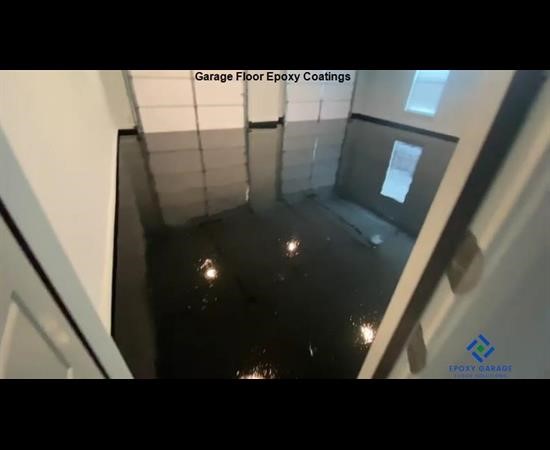
There are many options available when it comes to garage floor epoxy coatings. Before making a decision, there are many things you need to consider. First of all, consider the type of flooring. If the floor is made of concrete, it is important that the floor be prepared first. You should make sure that asphalt garages are properly prepared before applying epoxy coating. Finally, ask if the contractor offers a warranty for their work. In addition, you should check out whether he will offer ongoing maintenance or repair services.
Make sure you apply the epoxy coating to the garage floor correctly before applying it. The epoxy coating will not adhere to sealed concrete or painted concrete. It is also not suitable for 'cure and seal' concrete. Before applying epoxy, make sure you have removed any sealer or paint from the floor. After you have prepared the concrete, you can apply epoxy coating to it. The coating will be applied to the surface of your garage, and will be permanent.
Once you have finished the preparation, you are ready to apply the epoxy. It will not be affected by porous concrete and will have a consistent coverage rate. Mix the epoxy according to the area you are covering. After the epoxy is applied, you should seal the area with a protective coating to keep the coating from absorbing debris. There are many advantages to using epoxy coatings on your garage floor. A great way to protect your garage floor is by installing a coat of a quality garage floor coating.
Is polyurea UV stable? This is the question that you've probably been asking yourself when you think about using this coating on your roof or floor. Aliphatic polyurea is the type of polyurea that is most resistant to ultraviolet light. This type of topcoat is great for high-impact floors that are chemical-resistant. You can also use it to line tanks for aquaculture and ponds. These coatings can also be used to repair and seal leaks.
If you are unsure if polyurea can be used in UV-stable conditions, look for the ingredient "IPDI", or "HDI" on the ingredients list. This isocyanate helps stabilize the product when exposed to UV rays. HDI or IPDI are good options if you want a high-shine finish. They are not UV-stable but have a high gloss and long life.
Polyurea is used in coatings. It's used in aerospace, military, and medical industries. It's very hard, durable, and waterproof. It is also suitable for outdoor applications. Aliphatic polyurea is a great choice if your product will be exposed to the sun for extended periods. It is also easy to use, making it an excellent choice for coatings.
Polyurea is superior to other coatings, including epoxy. It's abrasion-resistant material, which is useful for floors, car parts, and even furniture. It also offers corrosion protection for pipes carrying abrasive materials. It is also used to coat pipelines. It also protects against cathodic disbonding. It is a great choice for industrial floors.
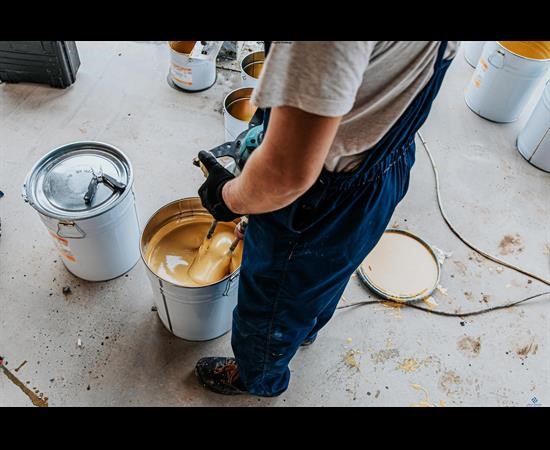
You need to prepare your concrete floor for epoxy removal. You should mop the floor to remove any oil or chemicals. After you have prepared the floor, you can use a solvent to remove the epoxy layers. This will soften the coating, making it easier to scrape off. You can buy a solvent online or at a hardware store. It is important to use the right dilution. Never mix stronger chemicals with stronger ones.
After you have decided on the type of solvent you want to use, prepare the surface for removal. Then, you can apply a strong metal scraper or use a heat gun. Do not heat the surface too much by blowing too hard on one spot. Once the epoxy has cooled you can begin cleaning the surface. Be careful to avoid damaging the concrete surface during this process, as you don't want to end up with more residue.
A grinder can be purchased by homeowners to remove epoxy from concrete floors. Although this method requires a lot of time, it's definitely worth it if you're working on a small area. Concrete countertops or rooms are a good example of such a surface. After you have prepared the area for removal you can start scraping with a plastic knife. Remember that heat and acetone can create vapors so make sure you have a well-ventilated place.
A two-car garage floor can be repaired for a few hundred dollars, but a new coating will cost between $350 and $380. An epoxy-based concrete coating costs about $3 per square feet. Sunken concrete garages will cost more. Depending on the size and number of layers required, the cost to repair a sunken slab can range from $400 to $1500.
The floor must be prepared before the new coating can be applied. Diamond grinding is required to remove any existing coating. You'll have to pay about $2,800 to $3,800 to resurface a 2-car garage. If you plan to apply an epoxy coating, it's essential that you get the job done by a professional. DIY coatings can be hazardous, and the results may not last for very long.
Consider the fact that epoxy coatings will require concrete repairs before you can calculate the cost of resurfacing your garage floor. A free estimate can be obtained by completing an online questionnaire. These professionals will inspect your floor for cracks and chipped areas. Also, you will need to repair the floor's square footage and then cover it with epoxy.
Before applying epoxy to your garage floor, you need to do some preparation work. To do this, dust the garage floor with a damp rag to remove dirt and lint. Then, use painters tape or duct tape to secure the sheets. Next, pour the epoxy in thin ribbons. You should then roll out the excess material to cover 50 to 100 ft2.
To prevent epoxy from touching the floor, close the garage door at least a few inches. The epoxy will not cure properly if it comes in contact with the garage door seal. Keep in mind that different resins and hardeners require different curing times. Make sure you know the exact time before you apply the epoxy to ensure that it dries properly.
The garage temperature is critical for curing. Concrete should be at least 55 degrees F. The temperature in the garage must be between 60 and 90 degrees F. The surface must be levelled within five minutes. After this, a second installer will begin pouring epoxy.
Top Rated Epoxy Resin Garage Floor Installers in Arizona!